


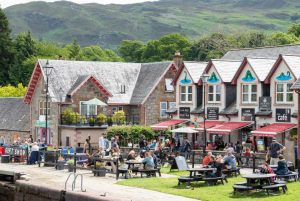

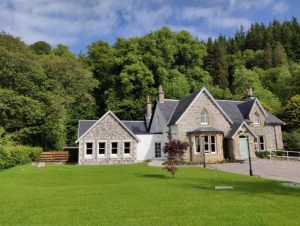
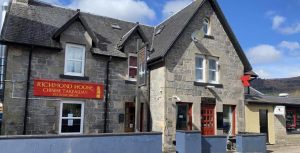


Loch Ness is a large freshwater lake located in the Scottish Highlands, approximately 23 miles (37 kilometers) southwest of Inverness, Scotland. It is one of the most famous and iconic bodies of water in the world, largely due to the legend of the Loch Ness Monster, also known as "Nessie."
Key characteristics of Loch Ness include:
Size: Loch Ness is the second-largest Scottish loch by surface area, covering around 21.8 square miles (56.4 square kilometers). It is also one of the deepest lochs, with a maximum depth of about 755 feet (230 meters).
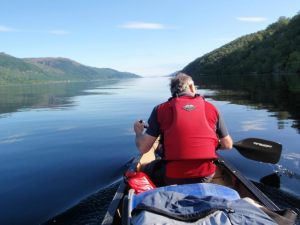
Landscape: The lake is nestled within a picturesque and dramatic landscape, surrounded by lush green hills and mountains. The Great Glen Fault, a geological fault line that stretches across Scotland, created the long, narrow shape of the loch.
Water quality: The water in Loch Ness is relatively cold and murky, due to the presence of peat particles and minerals. This characteristic has contributed to the difficulty of conducting extensive scientific research and exploration of its depths.
Loch Ness Monster: The most famous aspect of Loch Ness is the legend of the Loch Ness Monster. For centuries, there have been reported sightings of a mysterious creature lurking in the depths of the lake. Although there is no concrete evidence to support the existence of Nessie, the legend has captured the imaginations of people worldwide and has made Loch Ness a popular tourist destination.
Tourism: Loch Ness attracts millions of visitors each year, drawn by the allure of the monster mystery, stunning scenery, and various recreational activities such as boating, fishing, and hiking. The surrounding area offers numerous viewpoints and attractions, including Urquhart Castle, a historic castle situated on the loch's western shore.
Wildlife: Beyond the mythical monster, Loch Ness is home to various wildlife, including different fish species, birds, and other aquatic creatures. The surrounding natural habitats support a diverse ecosystem.
In summary, Loch Ness is not only a geographical landmark but also an iconic cultural phenomenon, known and celebrated around the world, making it an essential part of Scotland's history and allure for tourists and locals alike.
Loch Ness is a large, deep, freshwater lake located in the Scottish Highlands, known for its legendary folklore and, in particular, the mythical creature often referred to as the "Loch Ness Monster" or "Nessie." The loch is the second-largest lake in Scotland by surface area and holds the most water of any lake in the British Isles.
Physical Characteristics:
- Location: Loch Ness stretches approximately 37 kilometers (23 miles) southwest to northeast in the Great Glen, a geological fault line that runs across the Scottish Highlands.
- Depth: It is exceptionally deep, reaching depths of up to 230 meters (755 feet). In fact, it is one of the deepest freshwater lakes in the world.
- Surroundings: The loch is surrounded by scenic landscapes, including rolling hills and mountains, giving it a dramatic and picturesque setting.
Folklore and the Loch Ness Monster:
- Nessie: Loch Ness gained worldwide fame due to the stories and legends surrounding the Loch Ness Monster, a creature said to inhabit its waters. The monster is often described as a large, long-necked, aquatic animal, similar to a plesiosaur or a sea serpent, although there is no scientific evidence to support its existence. Sightings and alleged encounters with Nessie have captured the public's imagination for decades, making Loch Ness a popular tourist destination.
History and Culture:
- Forts and Castles: The area around Loch Ness has a rich history, and there are several historic castles and forts scattered along its shores. For example, Urquhart Castle, situated on the northwestern shore, is one of the most well-known and frequently visited castles in Scotland, offering stunning views of the loch.
- Jacobite History: Loch Ness played a role in the Jacobite uprisings of the 18th century, with the final battle of the 1745 Jacobite Rising taking place nearby at Culloden Moor.
Tourism and Activities:
- Cruises and Boat Tours: Tourists often take boat cruises and tours on Loch Ness to enjoy the scenery and the possibility of catching a glimpse of Nessie. Various tour operators offer trips to explore the loch and its surroundings.
- Wildlife and Nature: Loch Ness is not only famous for its mythical creature but also for its natural beauty and wildlife. The surrounding area provides opportunities for hiking, birdwatching, and enjoying the Scottish countryside.
Overall, Loch Ness is not only a stunning natural wonder but also a place shrouded in mystery and legend. Its captivating folklore and unique allure continue to draw visitors from around the world, making it one of Scotland's most iconic and enigmatic destinations.
- Fort Augustus
- Drumnadrochit
- Foyers
- Dores
- Invermoriston
- Whitebridge
- Abrichanan
- Inverfargaig
- Lochend
- Torness
- Lochgarthside
- Loch Ness View Point
- Loch Ness View
- Nessieland
- Loch Ness Centre
- Loch Ness
- Loch Ness Resort
- Loch Ness Titles
- Burtoit
- Loch Ness Lodges