Campbeltown is a small coastal town located in the southern part of the Kintyre Peninsula in Argyll and Bute, Scotland. It is the largest town in Kintyre and is sometimes referred to as the "whisky capital of the world" due to the large number of distilleries that were once located in the area. Today, the town is a popular tourist destination, offering visitors a unique blend of history, culture, and natural beauty.
Campbeltown has a rich history that dates back to the 17th century. The town was originally a small fishing village that grew into a major hub for shipbuilding and whisky production. Many of the town's historic buildings and landmarks, including the town hall, the clock tower, and the Campbeltown cross, date back to this era.
One of the town's main attractions is its whisky heritage. Campbeltown was once home to more than 30 whisky distilleries, earning it the nickname "whisky capital of the world." Although many of these distilleries have since closed, the town is still home to several famous brands, including Glen Scotia and Springbank. Visitors can take tours of the distilleries, learn about the whisky-making process, and even sample some of the local products.
Another popular attraction in Campbeltown is the town's picturesque harbor. The harbor is a hub of activity, with fishing boats and pleasure crafts coming and going throughout the day. Visitors can take a stroll along the harbor, enjoy a meal at one of the many waterfront restaurants, or simply watch the boats go by.
Campbeltown is also home to several historic sites and landmarks. One of the most notable is the Campbeltown cross, a 14th-century Celtic cross that stands in the center of the town. Other historic sites include the Kilkerran Cemetery, the Saddell Abbey, and the Dunaverty Rock.
For those who love the outdoors, Campbeltown offers plenty of opportunities for hiking, fishing, and other outdoor activities. The town is surrounded by rugged hills and stunning coastal scenery, making it the perfect destination for nature lovers. Some of the most popular outdoor activities in the area include fishing in the nearby Loch Lussa and hiking in the Kintyre Way.
In addition to its natural beauty and historic landmarks, Campbeltown also boasts a vibrant cultural scene. The town is home to several museums and galleries, including the Campbeltown Museum and the Glen Scotia Distillery Museum. Visitors can learn about the town's history, culture, and traditions through these exhibits and displays.
Overall, Campbeltown is a charming and unique destination that offers something for everyone. Whether you're interested in whisky, history, nature, or culture, you're sure to find something to enjoy in this picturesque Scottish town.
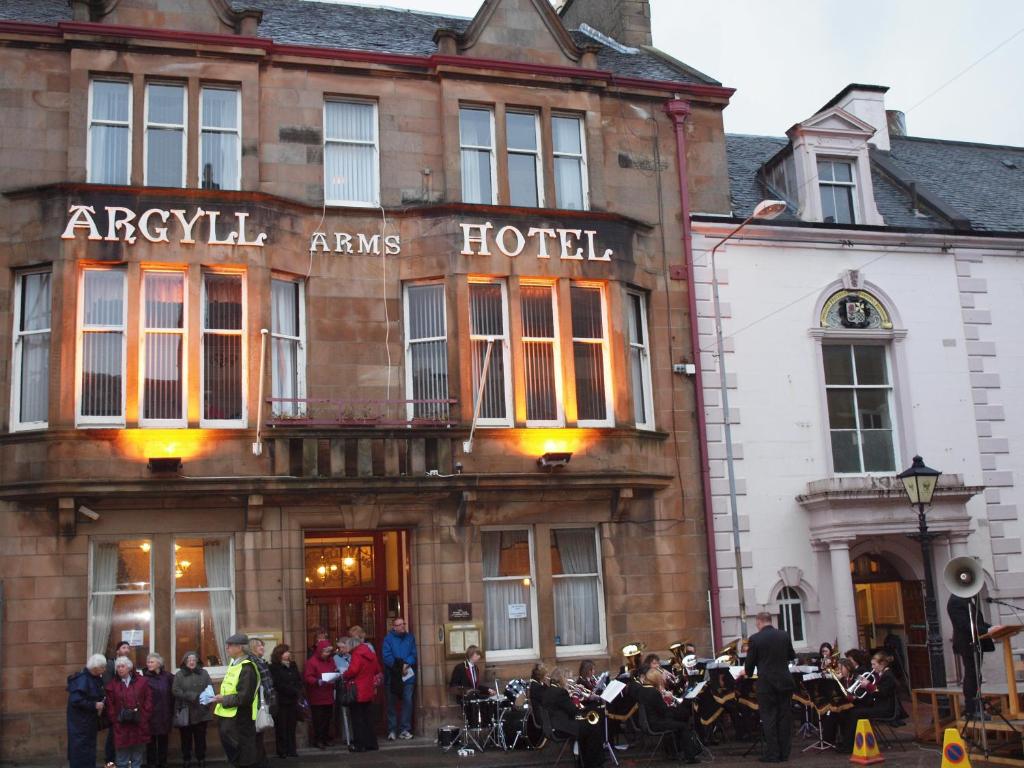
Argyll Arms Hotel
The Argyll Arms Hotel is ideally situated for those looking to explore the stunning coastal surroundings. You can embark on beautiful coastal walks around the Mull of Kintyre peninsula, offering breathtaking views of mainland Scotland and the Isle of Arran to the East, as well as views of Ireland from the West coast.
Show More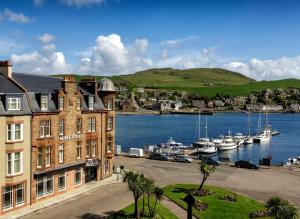
The Royal Hotel Campbeltown
The Royal Hotel Campbeltown is a picturesque establishment situated in the heart of Campbeltown, Scotland, boasting a stunning location right next to the harbor, with the rolling hills in the distance. This charming hotel offers a range of amenities and beautiful accommodation making it an excellent choice for those looking to explore the charms of Campbeltown and its stunning surroundings.
Show More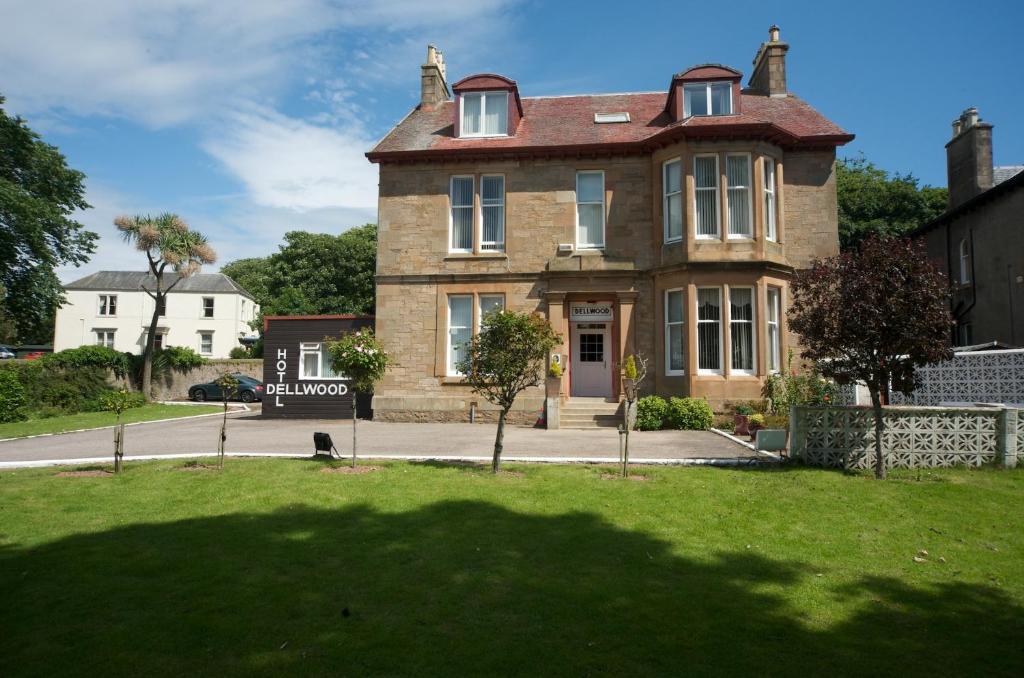
Dellwood Hotel
Dellwood Hotel (Campbeltown) The Dellwood Hotel offers a comfortable and welcoming stay, making it an excellent base for exploring Campbeltown and its attractions, including its whiskey heritage and cultural offerings.
Show More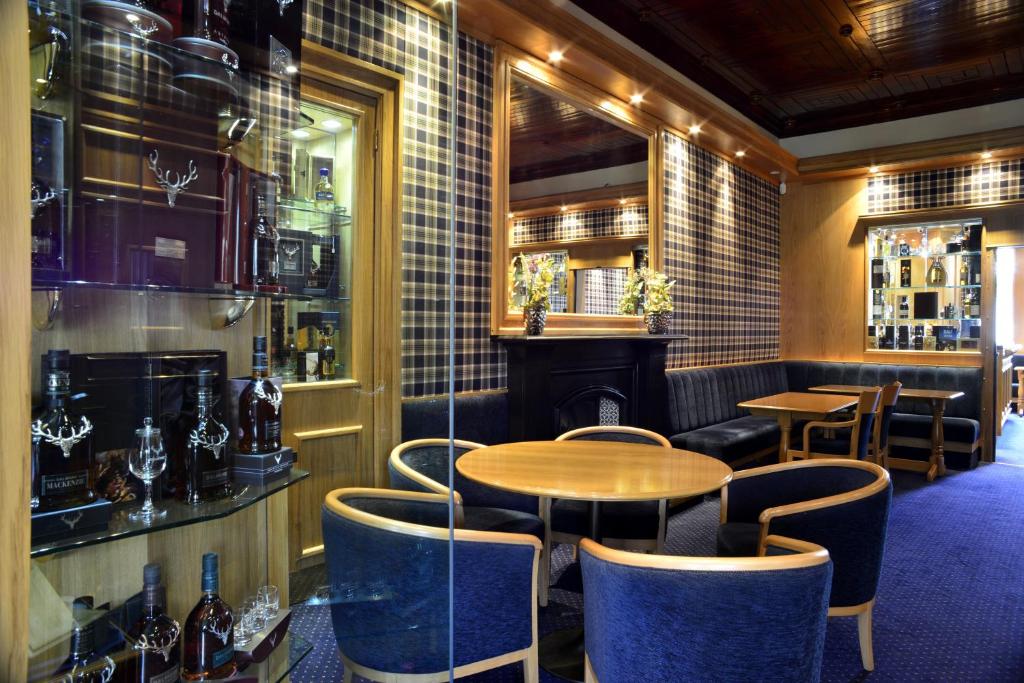
Ardshiel Hotel
The Ardshiel Hotel is a conveniently located inn in Campbeltown, Scotland, just an 8-minute walk from the Springbank Whisky Distillery. It offers comfortable accommodations along with various amenities:
Show More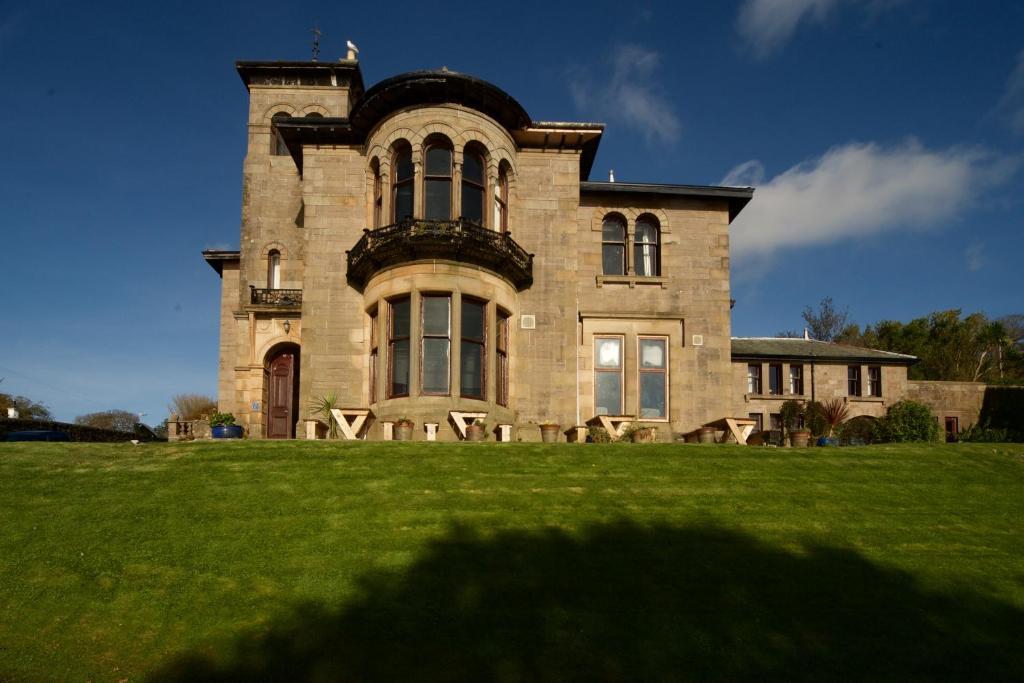
Craigard House Hotel
Craigard House Hotel is a distinctive mansion located on the outskirts of Campbeltown, Scotland, offering stunning views over Campbeltown Loch and situated along the Kintyre Way. This unique hotel provides several features and amenities.
Show MoreGlen Scotia Distillery is a renowned Scotch whisky distillery located in the Campbeltown region of Scotland. Campbeltown, once known as the "Whisky Capital of the World," is a historic whisky-producing region on the Kintyre Peninsula. Glen Scotia is one of the three remaining distilleries in Campbeltown, alongside Springbank and Glengyle, and it has a rich history dating back to the early 19th century.
Here's a description of Glen Scotia Distillery:
Location: Glen Scotia Distillery is situated in the coastal town of Campbeltown, on the southern tip of the Kintyre Peninsula in Scotland. Its location near the sea imparts a unique maritime influence to its whisky.
History: The distillery was founded in 1832, making it one of the oldest distilleries in Campbeltown. It has seen various owners and periods of closure throughout its history, but it has managed to survive and maintain its production of distinctive Scotch whisky.
Architecture: The distillery's buildings reflect the traditional Scottish charm, with whitewashed walls and stone structures. Visitors can enjoy a glimpse of the historic architecture and traditional whisky-making techniques when touring the distillery.
Whisky Production: Glen Scotia is known for producing a range of Scotch whiskies, including single malt expressions. The distillery primarily uses peated barley for some of its whiskies, which gives them a subtle smokiness. They also experiment with different cask types for maturation, contributing to the diversity of their offerings.
Whisky Range: Glen Scotia produces a variety of expressions, including core range releases and limited-edition bottlings. These can vary in age, flavor profiles, and cask types, catering to a wide range of whisky enthusiasts.
Visitor Center: The distillery welcomes tourists and whisky enthusiasts to its visitor center, where you can take guided tours to learn about the whisky-making process, explore the distillery's history, and sample some of their finest creations.
Recognition: Glen Scotia's whiskies have gained recognition in the whisky world, earning awards and accolades for their quality and distinct character.
In summary, Glen Scotia Distillery is a historic and respected whisky producer located in Campbeltown, Scotland. It is known for its traditional whisky-making methods, diverse range of Scotch whiskies, and its contribution to the rich whisky heritage of the Campbeltown region.Visiting Glen Scotia provides an opportunity to experience the craftsmanship and heritage of Scotch whisky production in one of Scotland's most iconic whisky regions.
The Davaar Island Cave Painting of the Crucifixion is a remarkable and unique work of art located on Davaar Island, situated off the coast of Campbeltown in the Kintyre Peninsula of Scotland. This artwork holds historical and artistic significance for its unusual setting and subject matter. Here's a description of this captivating piece of cave art:
1. Location: The Davaar Island Cave Painting is found inside a hidden cave on Davaar Island, a small, uninhabited island in the Firth of Clyde on the west coast of Scotland. Accessible only by boat, the island is known for its rugged terrain and natural beauty.
2. Discovery: The cave painting was created in 1887 by a local teacher named Archibald MacKinnon and a group of his pupils. Its creation was a closely guarded secret for some time, and its existence was discovered by accident.
3. Subject Matter: The focal point of the painting is the Crucifixion of Jesus Christ. It depicts the scene of Jesus hanging on the cross, flanked by two thieves, with figures that include the Virgin Mary, St. John the Evangelist, and Roman soldiers. The artist, Archibald MacKinnon, had no formal training in art, yet the painting exhibits a level of detail and emotion that is impressive.
4. Size and Scale: The painting covers a significant portion of the cave wall, measuring approximately 13 feet by 8 feet (4 meters by 2.5 meters), making it one of the largest cave paintings in Scotland.
5. Technique: The painting was executed in a fresco style, where paint is applied directly onto wet plaster. This technique ensures that the painting becomes an integral part of the cave wall as the plaster dries, contributing to its enduring nature.
6. Purpose: The exact purpose of the Davaar Island Cave Painting remains a subject of debate. Some believe it was a devotional work of art, while others speculate that it may have been created as a prank or a form of artistic expression. The artist, MacKinnon, never provided a clear explanation.
7. Conservation: Over the years, efforts have been made to preserve and protect the painting from the natural elements and potential vandalism. Visitors are encouraged to treat the site with respect and not to touch the painting.
8. Accessibility: While Davaar Island itself is accessible by boat, reaching the cave where the painting is located can be challenging due to tidal conditions. It is essential to plan a visit carefully and seek local guidance.
In conclusion, the Davaar Island Cave Painting of the Crucifixion is a captivating piece of cave art with a fascinating history and setting. Its existence on a remote Scottish island adds to its mystique, and it continues to attract visitors and art enthusiasts interested in its unique blend of religious imagery, history, and the unexpected beauty found within a hidden cave.
Mitchell's Glengyle Distillery, also known as Glengyle Distillery, is a Scotch whisky distillery located in the town of Campbeltown on the Kintyre Peninsula of Scotland. Campbeltown is historically known for its whisky production and was once considered the "Whisky Capital of the World." Here's a description of Mitchell's Glengyle Distillery:
Location: Glengyle Distillery is situated in the heart of Campbeltown, a coastal town on the western coast of Scotland. Its location in this historic whisky region gives it a rich heritage and a distinctive regional character in its whiskies.
History: The distillery has a storied history dating back to its founding in 1872 by William Mitchell, one of the prominent whisky-making families in Campbeltown. It operated under the name "Glengyle" until it closed in the early 20th century during a period of economic hardship for the whisky industry. After being dormant for several decades, it was revived and restored in the early 2000s.
Revival: The revival of Glengyle Distillery is a testament to the dedication to preserving Campbeltown's whisky heritage. It was brought back to life by Mr. Hedley Wright, a descendant of the Mitchell family, and production resumed in 2004.
Whisky Production: Glengyle is known for producing a range of Scotch whiskies, primarily single malts. They use traditional methods in their production, including floor malting some of their barley, giving their whisky a distinctive character. The distillery's whisky is often described as having a balance of fruity and coastal notes, reflective of Campbeltown's terroir.
Whisky Range: The distillery produces a variety of expressions under the "Kilkerran" name, which is their single malt brand. This includes standard core range releases, as well as limited-edition bottlings that showcase different cask types and aging techniques.
Visitor Center: Glengyle Distillery welcomes whisky enthusiasts to its visitor center, where you can take guided tours to learn about the whisky-making process, explore the distillery's history, and enjoy tastings of their various expressions.
Independently Owned: The distillery is known for its independent status, as it is not part of a larger conglomerate. This independence allows for more creative freedom and flexibility in their production methods and offerings.
In summary, Mitchell's Glengyle Distillery, located in Campbeltown, Scotland, is a historic whisky distillery with a rich heritage and a commitment to preserving traditional whisky-making practices. It produces a range of single malt Scotch whiskies under the Kilkerran brand, contributing to the revival and continued recognition of Campbeltown as a significant whisky-producing region in Scotland.
The Mull of Kintyre Lighthouse is a historic and iconic lighthouse located at the southernmost tip of the Kintyre Peninsula in Scotland. Situated on the Mull of Kintyre, this lighthouse serves as a vital navigational aid for ships and boats traveling along the treacherous waters of the North Channel and the Irish Sea. Here is a description of the Mull of Kintyre Lighthouse:
Location: The Mull of Kintyre Lighthouse is perched on a rugged and remote promontory at the southern tip of the Kintyre Peninsula in Argyll and Bute, Scotland. This location offers stunning panoramic views of the surrounding coastal landscape.
Historical Significance: The lighthouse has a rich history, dating back to its establishment in 1788. It has played a crucial role in guiding ships safely through the dangerous waters of the North Channel, particularly helping vessels navigate the narrow passage between Scotland and Northern Ireland.
Architecture: The original lighthouse structure was a stone tower, which has since been replaced by a taller, more modern tower. The lighthouse features a classic white tower with black horizontal bands and a lantern room at the top. The architecture embodies the timeless design of traditional lighthouses.
Light Characteristics: The lighthouse's light exhibits a distinctive light characteristic that helps sailors identify it among other nearby navigational aids. These characteristics may include the color of the light, the number and duration of flashes, and the range of visibility.
Automation: Like many lighthouses worldwide, the Mull of Kintyre Lighthouse has undergone automation in recent years. It is no longer manned by lighthouse keepers and is remotely monitored and controlled.
Surrounding Landscape: The Mull of Kintyre is known for its dramatic coastal scenery and is often associated with the famous song "Mull of Kintyre" by Paul McCartney and Wings. The rugged cliffs, picturesque beaches, and wildlife make it an attractive destination for hikers, nature enthusiasts, and visitors interested in maritime history.
Visitor Access: While the lighthouse itself may not be open to the public due to its remote location and automated operation, the surrounding area is accessible to visitors. Many people visit the Mull of Kintyre to enjoy the stunning natural beauty and explore the walking trails along the coastline.
Navigational Importance: The Mull of Kintyre Lighthouse continues to be a vital navigational aid for ships and vessels, helping them safely navigate the waters, avoid dangerous rocks and currents, and make their way to and from the nearby ports.
In summary, the Mull of Kintyre Lighthouse is an enduring symbol of maritime safety and a historic structure that has guided sailors through challenging waters for centuries. Its picturesque location and rich history make it a notable landmark on the Kintyre Peninsula and a point of interest for visitors exploring the Scottish coastline.
Westport Beach is a beautiful and picturesque stretch of coastline located on the west coast of Scotland, near the town of Campbeltown in the Kintyre Peninsula. This beach is known for its natural beauty, sandy shores, and stunning views of the surrounding landscape. Here's a description of Westport Beach:
Location: Westport Beach is situated on the western side of the Kintyre Peninsula in Argyll and Bute, Scotland. It is part of the broader Westport Bay area, which includes several smaller beaches and coves along the coastline.
Sandy Shore: Westport Beach boasts a wide expanse of golden sand, making it an ideal spot for beachgoers to relax, sunbathe, and take leisurely strolls along the shoreline. The sand is clean and well-maintained.
Scenic Setting: The beach is framed by rolling hills, grassy dunes, and lush greenery, creating a picturesque backdrop. The surrounding landscape is characterized by its rugged beauty and offers opportunities for hiking and exploring.
Panoramic Views: Westport Beach offers breathtaking panoramic views of the North Channel, the Irish Sea, and the distant Antrim coast of Northern Ireland on clear days. These views are particularly spectacular during sunsets.
Wildlife: The area around Westport Beach is known for its diverse wildlife. Birdwatchers may spot various seabirds along the coast, and seals are often seen offshore. The beach and its surroundings provide a habitat for both resident and migratory species.
Recreational Activities: Beyond sunbathing and beachcombing, Westport Beach is a popular spot for various outdoor activities. Visitors can enjoy picnicking, kite flying, beach volleyball, and even water sports like surfing and windsurfing when the conditions are right.
Accessibility: Westport Beach is easily accessible by car and is a short drive from Campbeltown. A well-maintained road leads to the beach, and there is ample parking available for visitors.
Facilities: While Westport Beach offers a natural and unspoiled setting, it may not have extensive facilities. Visitors are encouraged to bring their own supplies, such as food, water, and picnic gear. There may be public toilets available, but it's advisable to check local information for the latest amenities.
Tranquility: Westport Beach is often praised for its peaceful and tranquil atmosphere. It's an ideal destination for those seeking a quiet escape, a romantic getaway, or a place to reconnect with nature.
In summary, Westport Beach is a picturesque and serene coastal destination on the Kintyre Peninsula in Scotland. Its sandy shores, stunning vistas, and opportunities for relaxation and outdoor activities make it a favored spot for both locals and tourists looking to enjoy the natural beauty of the Scottish coastline.
Campbeltown Heritage Centre, also known as Campbeltown Museum and Heritage Centre, is a cultural institution located in the town of Campbeltown on the Kintyre Peninsula in Scotland. The center serves as a hub for preserving and showcasing the rich history and heritage of Campbeltown and the surrounding region. Here's a description of Campbeltown Heritage Centre:
Location: Campbeltown Heritage Centre is centrally located in the town of Campbeltown, making it easily accessible to visitors exploring the Kintyre Peninsula.
Historical Significance: The center plays a vital role in preserving and celebrating the history and cultural heritage of Campbeltown, which has a rich and diverse past, including its prominence as a whisky-producing region.
Exhibitions: The Heritage Centre features a range of exhibitions and displays that provide insight into various aspects of the town's history. These exhibitions may cover topics such as the history of Campbeltown's industries, maritime heritage, local archaeology, and the people who have shaped the community.
Whisky Heritage: Given Campbeltown's historical significance as a whisky-producing region, the Heritage Centre often includes exhibits and information related to the town's whisky heritage. This may include displays about famous distilleries, historic whisky production methods, and the role of whisky in the local economy.
Interactive Displays: Many heritage centers incorporate interactive displays, multimedia presentations, and hands-on activities to engage visitors and make learning about history more engaging and immersive.
Local Artifacts: The center typically houses a collection of local artifacts, documents, photographs, and objects that provide a tangible connection to the past. These artifacts offer a glimpse into the daily life and culture of Campbeltown and its residents.
Temporary Exhibitions: Campbeltown Heritage Centre may host temporary exhibitions and events throughout the year, showcasing different aspects of the region's history, art, and culture.
Visitor Information: In addition to its exhibitions, the center often serves as a valuable resource for tourists and researchers, providing information about local attractions, historical sites, and activities in the area.
Gift Shop: Many heritage centers have on-site gift shops where visitors can purchase souvenirs, books, and items related to the region's history and culture.
Accessibility: The center is typically designed to be accessible to visitors of all ages and abilities, with facilities such as ramps and amenities for those with disabilities.
Campbeltown Heritage Centre is a place where visitors can delve into the rich tapestry of Campbeltown's history, learn about its heritage, and gain a deeper appreciation for the cultural significance of this charming coastal town on the Kintyre Peninsula. It serves as a valuable resource for both locals and tourists interested in exploring the past and present of this historic community.
Campbeltown Cross, also known as the "Mercat Cross," is an iconic historical monument located in the heart of the town of Campbeltown on the Kintyre Peninsula in Scotland. It holds historical and architectural significance and serves as a symbol of the town's rich heritage. Here's a description of Campbeltown Cross:
Location: Campbeltown Cross stands prominently in the center of Campbeltown, which is a coastal town in Argyll and Bute, Scotland. It is often considered the town's focal point and is located at the intersection of several streets.
Appearance: The Campbeltown Cross is an elegant and well-preserved stone structure that consists of a high stone pillar or column mounted on a broad base. The pillar is typically made of sandstone and may have decorative carvings and inscriptions.
Cross Design: At the top of the pillar, there is typically a Celtic cross or a similar religious symbol. The cross may feature intricate detailing, including Celtic knotwork and motifs. This design reflects the influence of Celtic Christianity in the region.
Historical Significance: The cross has historical importance as it was traditionally used as a market cross, where merchants and traders would gather to conduct business and announcements or proclamations would be made to the townspeople. Market crosses were common in medieval Scottish towns and played a central role in the economic and social life of the community.
Cultural and Community Hub: Campbeltown Cross has been a gathering place for generations of residents and visitors alike. It has witnessed important town events, ceremonies, and celebrations over the centuries.
Surrounding Area: The cross is often surrounded by a paved or cobbled area that serves as a meeting point, and nearby buildings and shops provide a picturesque backdrop to the monument.
Restoration: Like many historic monuments, Campbeltown Cross has undergone restoration and conservation efforts over the years to ensure its preservation for future generations to appreciate.
Visitor Attraction: Campbeltown Cross is a popular attraction for tourists and history enthusiasts who visit Campbeltown. It offers a glimpse into the town's rich history and its importance as a commercial and cultural center in the region.
Symbol of Campbeltown: The cross serves as a symbol of Campbeltown's enduring heritage and is often featured in local emblems and promotional materials representing the town.
In summary, Campbeltown Cross is a historic and visually striking monument located at the heart of Campbeltown, Scotland. It represents the town's historical, cultural, and social significance and continues to be a cherished landmark for both locals and visitors, connecting the present with Campbeltown's storied past.
Campbeltown is a historic and picturesque town located on the Kintyre Peninsula in Argyll and Bute, Scotland. It has a rich history, stunning coastal scenery, and several interesting facts and features that make it a unique and appealing destination. Here are some interesting facts about Campbeltown:
Whisky Capital: Campbeltown was once considered the "Whisky Capital of the World" due to its significant concentration of whisky distilleries. At its peak in the late 19th and early 20th centuries, Campbeltown was home to over 30 distilleries, though the number has significantly decreased since then. Some distilleries, like Springbank and Glen Scotia, continue to produce acclaimed Scotch whisky.
Paul McCartney's Song: The town is famously associated with the song "Mull of Kintyre" by Paul McCartney and Wings. The song was a massive hit and celebrated the natural beauty of the area, particularly the Mull of Kintyre, a nearby headland.
Narrow Streets: Campbeltown's town center features narrow, winding streets and historic architecture, giving it a charming and traditional Scottish town feel. It's a delightful place for leisurely strolls and exploring.
Campbeltown Loch: The town is located on the shores of Campbeltown Loch, a scenic and sheltered bay known for its beauty and maritime history. The loch has played a significant role in the town's development and as a natural harbor for ships.
Historical Attractions: Campbeltown boasts several historical attractions, including Campbeltown Cross (Mercat Cross), a well-preserved market cross; Campbeltown Heritage Centre, which offers insights into the town's history; and the Campbeltown Picture House, one of the oldest continuously operating cinemas in Scotland.
Machrihanish Golf Club: Just a few miles from Campbeltown, you'll find the Machrihanish Golf Club, renowned for its world-class golf courses. The original course, Machrihanish Golf Links, is considered one of the best in the world and attracts golf enthusiasts from around the globe.
Wildlife: The Kintyre Peninsula, including Campbeltown, is known for its diverse wildlife. Seals, dolphins, and various seabird species can often be spotted along the coastline, making it a popular spot for nature enthusiasts and wildlife watching.
Remote Location: Campbeltown is one of the most remote towns on the Scottish mainland, situated at the southern end of the Kintyre Peninsula. Its isolation has contributed to its unique character and appeal as a destination.
Outdoor Activities: The surrounding landscape offers excellent opportunities for outdoor activities such as hiking, cycling, fishing, and exploring nature reserves and coastal trails.
Annual Events: Campbeltown hosts various annual events and festivals, including the Campbeltown Malts Festival, a celebration of the town's whisky heritage; and the Mull of Kintyre Music Festival, featuring a wide range of musical performances.
Campbeltown's rich history, natural beauty, and cultural significance make it a fascinating destination for history buffs, whisky enthusiasts, nature lovers, and anyone seeking a glimpse into traditional Scottish life on the rugged west coast.