Dalmally is a serene village located in Argyll and Bute, Scotland, set along the banks of the River Orchy. Surrounded by rolling hills and lush landscapes, it offers stunning views of the nearby Ben Cruachan and access to scenic walks and outdoor activities. The area is ideal for hiking, fishing, and exploring nature, with trails leading to breathtaking spots like the summit of Ben Cruachan.
Dalmally is also home to historical sites such as the Dalmally Parish Church and Kilchurn Castle on the shores of Loch Awe, adding to its charm. The village features a few local amenities, including a shop and café, providing a cozy retreat with a welcoming community atmosphere. It serves as a peaceful base for exploring the wider Argyll and Bute region, including nearby attractions like Inveraray and Loch Lomond.

Loch Awe Hotel
The Loch Awe Hotel is a charming and welcoming establishment situated in Dalmally, offering stunning views over Loch Awe and the surrounding Highland scenery. The hotel provides comfortable and well-furnished rooms, each designed to ensure a relaxing stay. Guests can enjoy traditional
Show More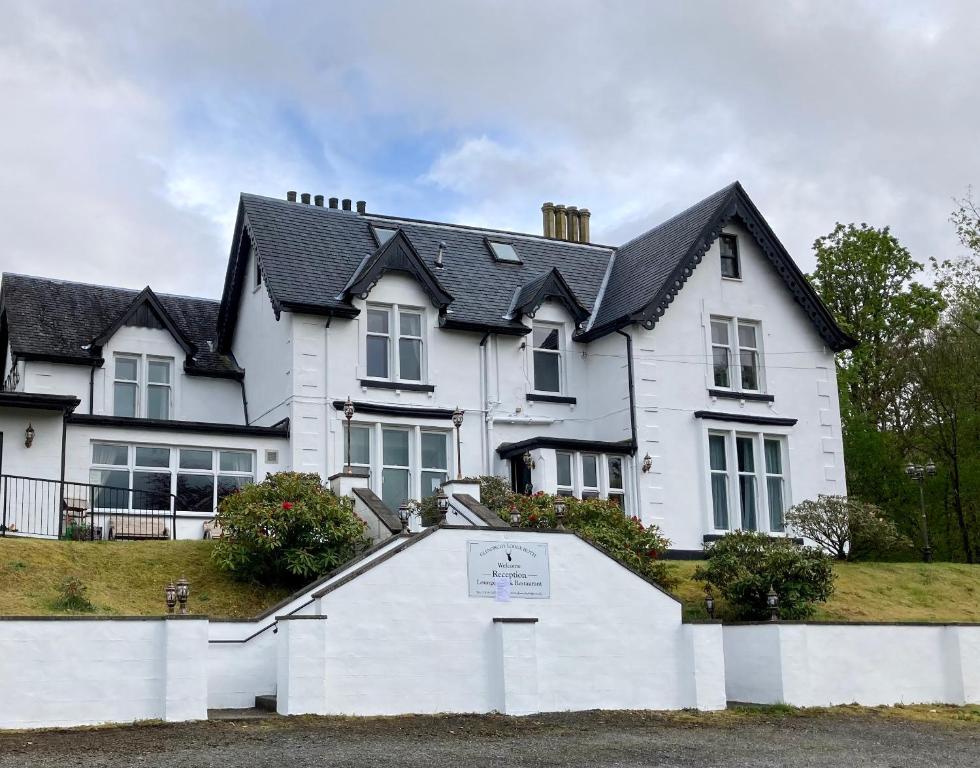
Dalmally is a small village located in the Argyll and Bute council area of Scotland, United Kingdom. Nestled in the scenic West Highlands, Dalmally is renowned for its breathtaking natural beauty, outdoor activities, and its historical and cultural significance. Here is a description of Dalmally:
Scenic Beauty: Dalmally is situated in a picturesque setting surrounded by lush green hills, woodlands, and the stunning landscapes of the West Highlands. The village is nestled in the Glen Orchy and Glen Strae area, offering visitors breathtaking views and a peaceful atmosphere.
Outdoor Activities: The area around Dalmally is a paradise for outdoor enthusiasts. There are numerous hiking and walking trails, including opportunities to explore the nearby Munros (mountains over 3,000 feet in height), such as Ben Cruachan. The nearby Loch Awe provides opportunities for fishing and water activities.
Ben Cruachan: One of the standout features near Dalmally is Ben Cruachan, a prominent mountain in the region. It is home to the Cruachan Dam and Power Station, a remarkable feat of engineering. Visitors can tour the power station and learn about its hydroelectric operations.
Kilchurn Castle: Located nearby on the shores of Loch Awe, Kilchurn Castle is a historic ruin with a rich history dating back to the 15th century. The castle is set against the backdrop of the loch and surrounding mountains, making it a popular spot for photographers and history enthusiasts.
West Highland Line: Dalmally has a railway station on the West Highland Line, which offers stunning train journeys through some of Scotland's most scenic landscapes. The train ride from Dalmally provides travelers with mesmerizing views of the West Highlands.
Village Amenities: While Dalmally is a small village, it has a few essential amenities, including local shops, accommodations, and restaurants, making it convenient for visitors exploring the area.
Peaceful Atmosphere: Dalmally is known for its tranquil and serene atmosphere, making it an ideal place for relaxation and enjoying the natural surroundings. The village's remote location adds to its sense of seclusion and tranquility.
Cultural Heritage: The area around Dalmally is rich in Scottish culture and history. Visitors can explore ancient ruins, historic sites, and learn about the local folklore and traditions.
In summary, Dalmally is a charming village in the heart of the West Highlands of Scotland, offering a perfect base for those looking to explore the natural beauty and historical sites of the region. Whether you're interested in outdoor adventures, historic landmarks, or simply enjoying the peaceful ambiance of the Scottish countryside, Dalmally has much to offer.
Cruachan Power Station Visitor Centre is located near Loch Awe in Argyll and Bute, Scotland. Please note that details may have changed since then, so it's advisable to check with local sources for the most up-to-date information. Here is a general description based on the typical features of visitor centers associated with power stations:
Location: The Cruachan Power Station Visitor Centre is likely situated near the Cruachan Reservoir and Dam, providing visitors with scenic views of the surrounding area, including Loch Awe.
Educational Displays: The visitor center may feature educational displays and exhibits that provide information about the history and operation of Cruachan Power Station. These displays might cover topics such as hydroelectric power generation, the technology used, and the role of the station in the local energy infrastructure.
Interactive Exhibits: To engage visitors, there might be interactive exhibits explaining the principles of hydroelectric power generation. Interactive models, multimedia presentations, and hands-on activities could be part of the educational experience.
Guided Tours: The visitor center may offer guided tours of the power station. These tours could take visitors inside the facility, explaining the various components of the power generation process. Visitors may get a chance to see the turbines, generators, and other infrastructure up close.
Panoramic Views: Given the location near Loch Awe, the visitor center might offer panoramic views of the surrounding landscapes. Observation points or viewing platforms could provide excellent vantage points for appreciating the scenic beauty of the area.
Visitor Facilities: A typical visitor center includes facilities such as a reception area, gift shop, and a café. These amenities provide visitors with the opportunity to purchase souvenirs, enjoy refreshments, and gather information about the region.
Educational Programs: The Cruachan Power Station Visitor Centre may offer educational programs or workshops for schools and groups. These programs could be tailored to different age groups and educational levels.
Accessibility: Information about how to reach the visitor center, including transportation options and parking facilities, would be available for visitors planning to explore the site.
Kintail Birds of Prey, Argyll:
Location: Nestled in the stunning landscapes overlooking Loch Awe, Argyll, Kintail Birds of Prey offers a one-of-a-kind Falconry Experience with native Scottish Birds of Prey. The private Falconry Centre is situated down a picturesque single track road, providing a tranquil setting surrounded by breathtaking scenery, including the possibility of encountering deer and Red Squirrels on the drive down.
Birds of Prey Collection: As Argyll's only collection of Scottish native Birds of Prey, Kintail boasts a diverse assembly of over 25 birds, ranging from the diminutive Little Owl to the majestic Golden Eagle. Visitors have the opportunity to get up close and personal with these magnificent creatures, making it a memorable and immersive experience.
Hands-on Falconry Experiences: Kintail Birds of Prey offers hands-on Falconry Experiences, allowing visitors to fly and interact with Scottish Birds of Prey. Participants have the chance to experience the ancient art of falconry, handling and flying these birds in the picturesque Scottish countryside.
Exclusive Bookings: To enhance the experience, all bookings are exclusively for each group or bubble, ensuring a personalized and intimate encounter with the birds.
Scenic Drive: The journey to the Falconry Centre is an adventure in itself, with a scenic drive down a single track road. The surroundings showcase the natural beauty of the area, providing glimpses of wildlife such as deer and Red Squirrels.
Photography Opportunities: Visitors are encouraged to bring their cameras to capture the beauty and majesty of the birds against the backdrop of Loch Awe. The Falconry Experience offers numerous photography opportunities to document the unique encounter.
Outdoor Event: Given that this is an outdoor event, participants are advised to dress warmly and wear sturdy footwear, ensuring comfort and enjoyment during the Falconry Experience.
Educational and Conservation Focus: The Falconry Centre may also emphasize education and conservation, providing information about the birds, their habitats, and the importance of protecting these magnificent species.
For the latest and most accurate information, interested individuals are encouraged to contact Kintail Birds of Prey directly or check their official website for details on bookings, events, and any specific requirements.
Kilchurn Castle is a historic ruin situated on the northeastern end of Loch Awe in Argyll and Bute, Scotland. Here is a description of Kilchurn Castle:
Location: Kilchurn Castle is strategically located on a rocky peninsula at the northern tip of Loch Awe, surrounded by picturesque landscapes and offering stunning views of the loch and the surrounding mountains. The castle is accessible via a causeway, and its isolation adds to its dramatic setting.
Architecture: The castle is a remarkable example of medieval Scottish architecture, characterized by its rugged stone construction. Kilchurn originally started as a 15th-century tower house and evolved over time with various additions and modifications. It features a central tower surrounded by walls and defensive structures, showcasing both practical and aesthetic elements of medieval design.
History: Built in the mid-15th century by Sir Colin Campbell, first Lord of Glenorchy, Kilchurn Castle played a strategic role in the region's history. Over the centuries, it underwent expansions and alterations, becoming a formidable stronghold. It was used by the Campbells during times of conflict, and its history is intertwined with the turbulent events of Scotland's past.
Loch Awe's Edge: The castle's location on Loch Awe provides a captivating atmosphere. Visitors can appreciate the reflections of the castle in the calm waters of the loch, especially during still evenings or early mornings. The setting makes Kilchurn a popular subject for photographers and artists.
Ruins and Preservation: While Kilchurn Castle is now in a state of picturesque ruin, with sections of walls and towers still standing, its dilapidated state adds to its charm. The preservation of Kilchurn has been carefully managed to maintain its historical character while ensuring safety for visitors.
Photography and Sightseeing: The castle's photogenic qualities make it a popular destination for tourists and history enthusiasts alike. The scenic surroundings, coupled with the castle's historical significance, make Kilchurn an ideal location for sightseeing and exploration.
Accessibility: Kilchurn Castle is accessible to the public, and visitors can explore its grounds and remnants. However, as with any historical site, it's advisable to follow any guidelines or restrictions in place for safety and preservation.
Cultural Significance: Kilchurn Castle stands as a testament to Scotland's rich history, reflecting the struggles, conflicts, and architectural prowess of its medieval past. It provides a glimpse into the lives of the noble families who once called it home.