Fort William is a lively town in the Scottish Highlands, known as the "Outdoor Capital of the UK." Nestled at the foot of Ben Nevis, the highest mountain in the British Isles, it attracts outdoor enthusiasts year-round for activities like hiking, climbing, mountain biking, and skiing. The town’s location offers stunning views of surrounding landscapes, including Loch Linnhe and Glen Nevis, making it a prime spot for nature lovers.
Rich in history, Fort William features landmarks such as the 13th-century Old Inverlochy Castle and the West Highland Museum, which delves into local culture and the town’s Jacobite past. It’s also the endpoint of the Great Glen Way, a scenic long-distance walking and cycling route. Fort William offers various amenities, including shops, cafes, and restaurants, with local cuisine and a warm Highland welcome. Well-connected by rail and road, the town is a gateway to exploring the rugged beauty of the Highlands, with the scenic West Highland Line railway passing through it.
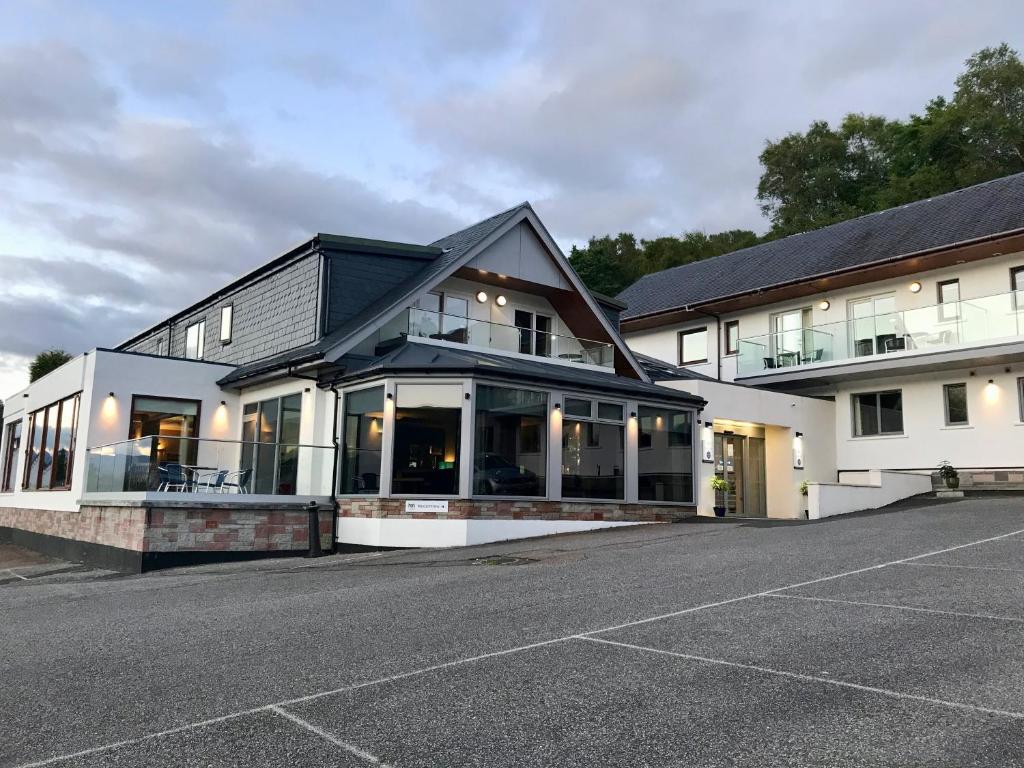
Clan Macduff Hotel
Clan Macduff Hotel ( Fort William) The Clan Macduff Hotel, overlooking Loch Linnhe, offers guests a captivating Highland experience with breathtaking views, comfortable accommodations, and a culinary journey through Highland cuisine. Here's a detailed description of the Clan Macduff Hotel:
Show More
Rokeby Manor
Rokeby Manor (Invergarry) Rokeby Manor provides a comfortable and scenic retreat for travelers exploring the Scottish Highlands. With its range of activities, comfortable accommodations, and a restaurant, it offers a well-rounded experience for those looking to embrace the natural beauty and outdoor adventures of the region.
Show More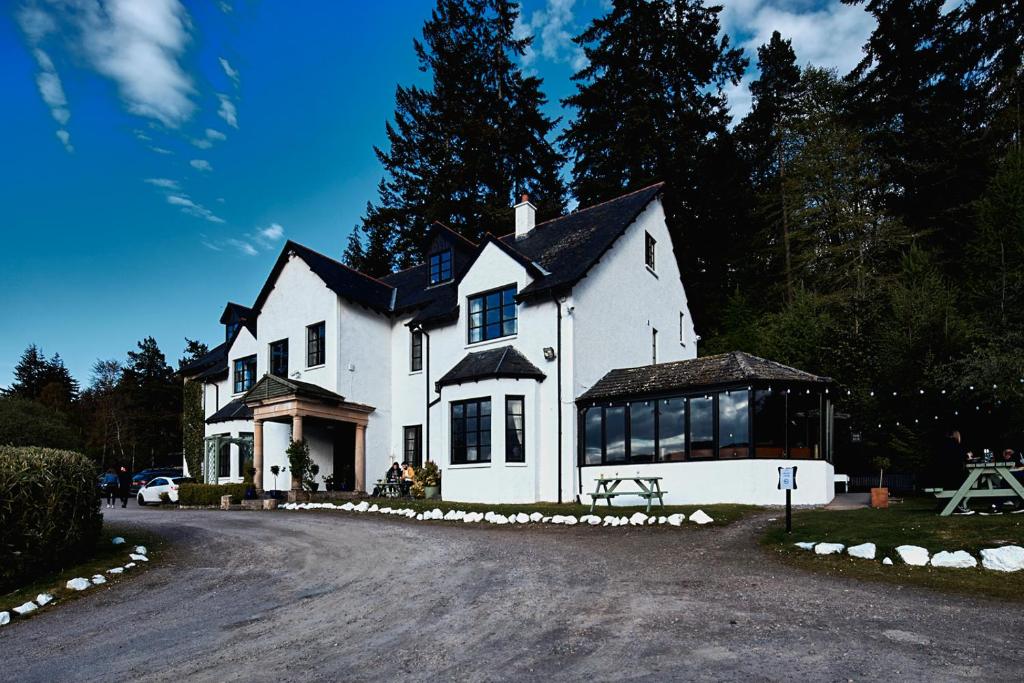
Craigdarroch Hotel
The Craigdarroch Hotel offers a serene and captivating retreat in the heart of the Scottish Highlands, with its breathtaking Loch Ness views and elegant accommodations. Whether guests are exploring historic sites, enjoying outdoor activities, or simply seeking a peaceful escape into nature, the hotel provides a welcoming and comfortable base for travellers.
Show More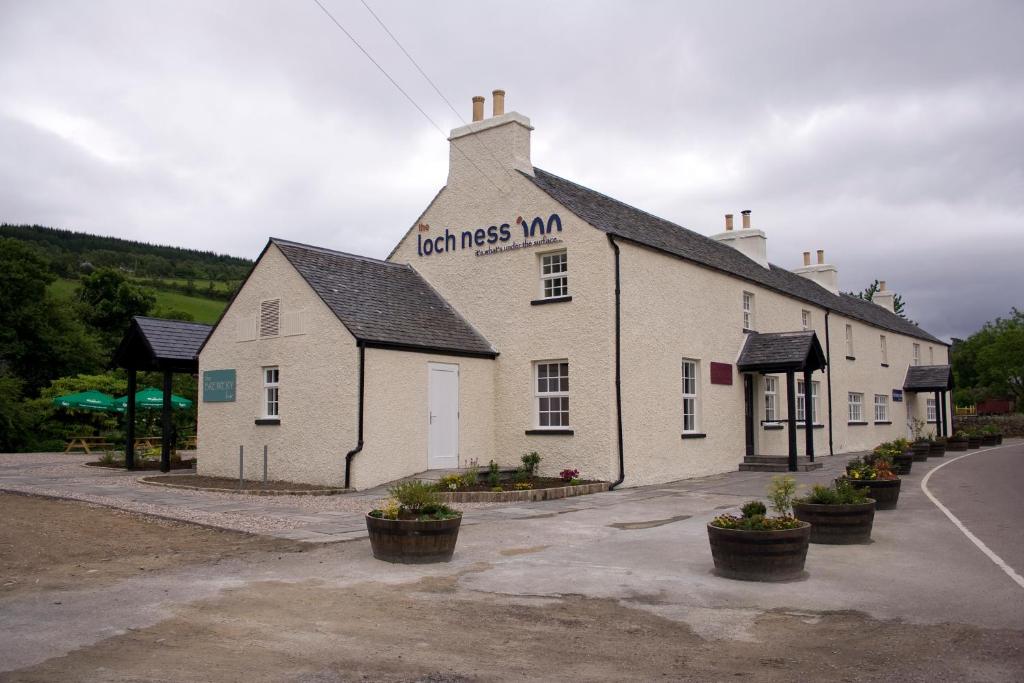
Loch Ness Inn
Loch Ness Inn ( Lewiston, Drumnadrochit) The Loch Ness Inn is a welcoming destination that caters to a diverse range of travelers, from hikers to tourists and locals. Its convenient location near Loch Ness and the Great Glen Way, along with comfortable accommodations and a friendly atmosphere, makes it an excellent choice for those looking to explore the natural beauty and history of the Scottish Highlands.
Show MoreFort William is a picturesque town situated in the West Highlands of Scotland. It is the largest town in the Highland council area and serves as a gateway to some of Scotland's most breathtaking landscapes. Here's a description of Fort William:
Majestic Scenery: Fort William is surrounded by some of Scotland's most iconic and majestic landscapes. It is nestled at the southern end of Loch Ness and is dominated by the towering peak of Ben Nevis, the highest mountain in the British Isles. The stunning scenery, including other nearby peaks and the Great Glen, makes it a popular destination for outdoor enthusiasts and nature lovers.
Outdoor Adventures: The town is a mecca for outdoor activities. Hiking and climbing are particularly popular, with Ben Nevis drawing climbers and hikers from around the world. The area offers a range of trails for all skill levels, from gentle walks to challenging mountain hikes. The West Highland Way, one of Scotland's most famous long-distance trails, also starts in Fort William.
Water Sports: Lochaber, the region surrounding Fort William, is known for its water-based activities. Visitors can enjoy kayaking, canoeing, and fishing on the numerous lochs and rivers in the area. Lochaber is also a popular destination for sailing and boat trips.
Mountain Biking: Fort William has gained recognition as a mountain biking destination, with a network of trails suitable for various skill levels. The Nevis Range Mountain Resort offers downhill and cross-country biking trails, as well as a gondola ride that provides stunning views of the surrounding landscape.
Historical Significance: Fort William has a rich history, and its name is derived from the 17th-century fort that once stood here. While the original fort is no longer extant, remnants of its history can still be seen in the town, such as the Old Fort.
Local Cuisine: The town offers a variety of dining options, including traditional Scottish fare. You can savor local dishes like haggis, neeps, and tatties or enjoy freshly caught seafood from the nearby lochs and seas.
Whisky Distilleries: The region around Fort William is home to several whisky distilleries. Whisky enthusiasts can explore the whisky-making process and sample some of Scotland's finest single malts.
Transport Hub: Fort William serves as a transportation hub for the region. It is the terminus of the West Highland Line, a scenic railway route, and is well-connected by road to other parts of Scotland.
Cultural Events: The town hosts various cultural events throughout the year, including Highland Games and traditional music festivals, providing visitors with opportunities to immerse themselves in Scottish culture.
In summary, Fort William is a vibrant and picturesque town in the heart of the Scottish Highlands, renowned for its stunning natural surroundings, outdoor activities, and rich history. It's a must-visit destination for anyone seeking an authentic Highland experience and a chance to explore some of Scotland's most iconic landscapes.
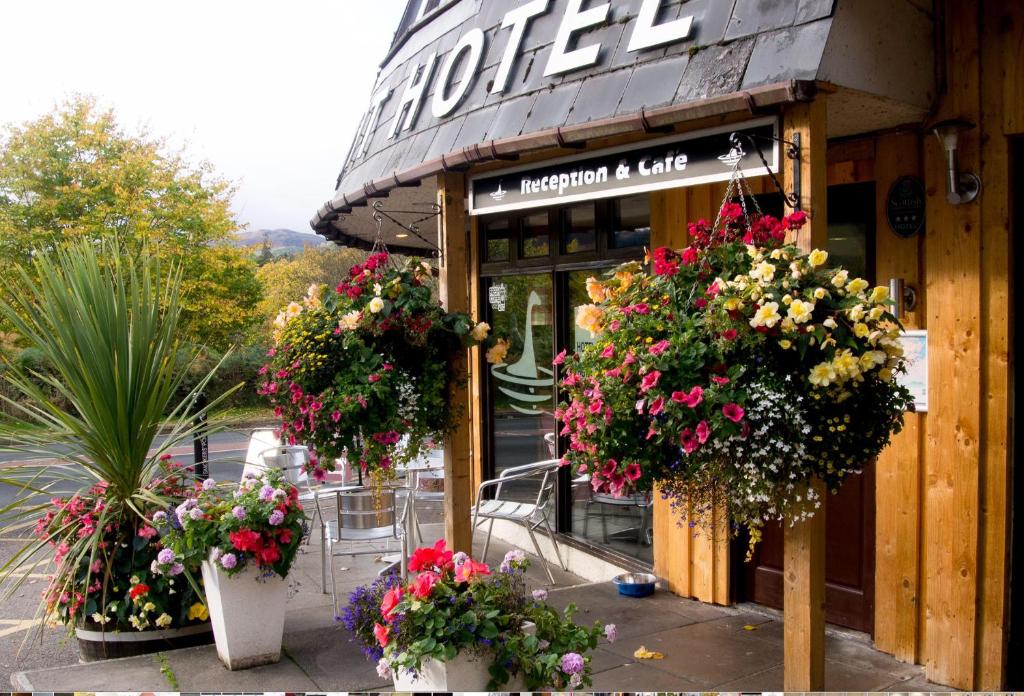
Loch Ness Drumnadrochit Hotel
The Loch Ness Drumnadrochit Hotel offers a unique and engaging experience for guests, with comfortable accommodations, fine dining, and the added bonus of being situated within the Loch Ness Exhibition Center. Its strategic location provides a convenient base for exploring the natural beauty and mysteries of Loch Ness.
Show More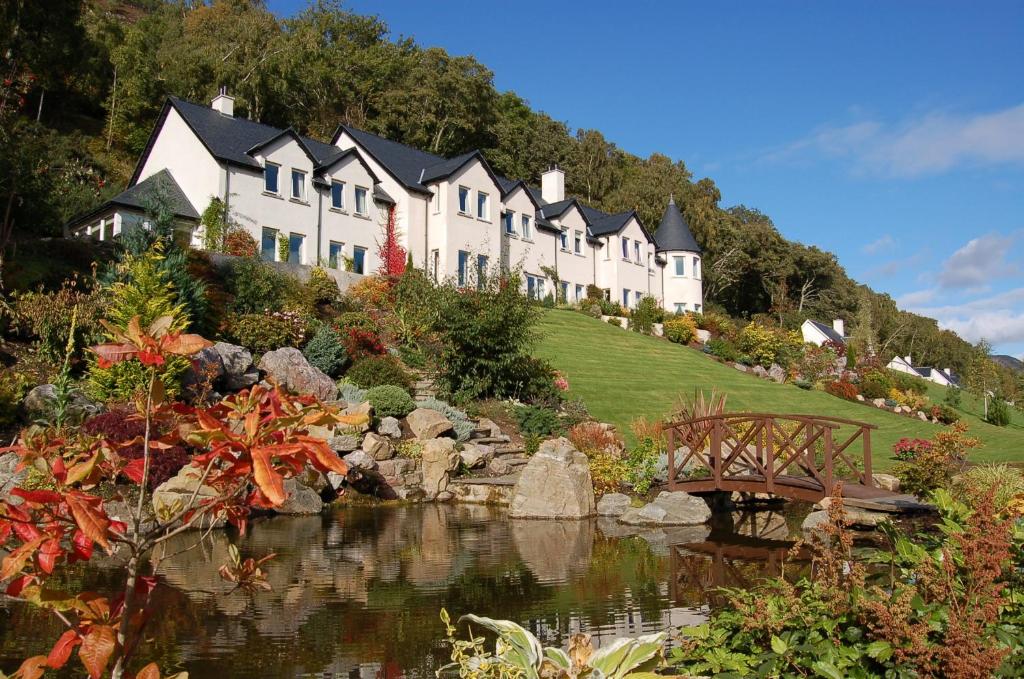
Loch Ness Lodge Hotel
Loch Ness Lodge in Brackla, Loch Ness-Side, Drumnadrochit, offers guests a peaceful and scenic retreat by the iconic Loch Ness. It provides a wonderful opportunity to immerse oneself in the natural beauty and legends of the Scottish Highlands while enjoying comfortable accommodations and personalized service.
Show More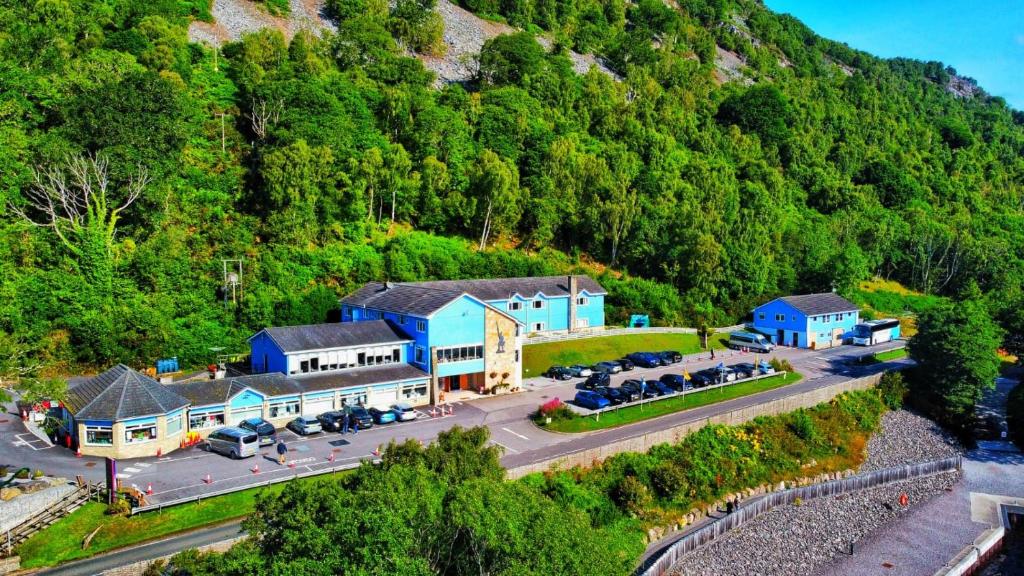
Loch Ness Clansman Hotel
The Loch Ness Clansman Hotel provides a comfortable and accessible base for those wishing to explore the beauty and mysteries of Loch Ness and the surrounding Scottish Highlands. With comfortable accommodations, fine dining, and breathtaking natural beauty, it offers an unforgettable experience in a truly iconic setting.
Show More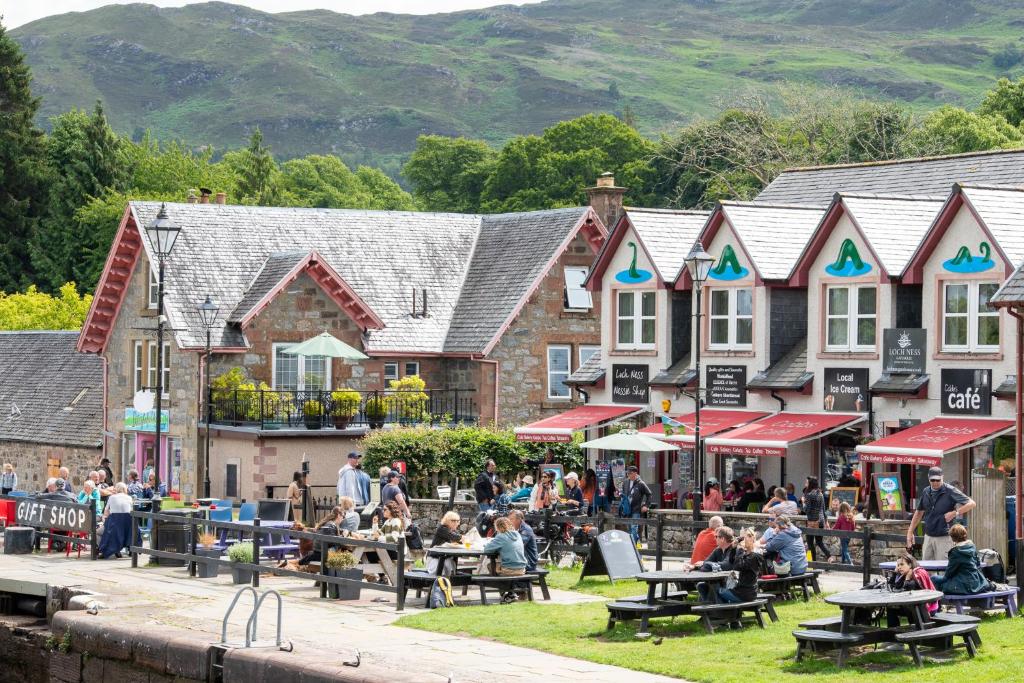
Loch Ness Gate House
Loch Ness Gate House (Fort Augustus) Loch Ness Gate House offers a comfortable and convenient base for those looking to explore the enchanting Loch Ness and the surrounding Scottish Highlands. With cozy accommodations and a variety of breakfast options, it provides a pleasant retreat for travelers visiting this iconic destination.
Show More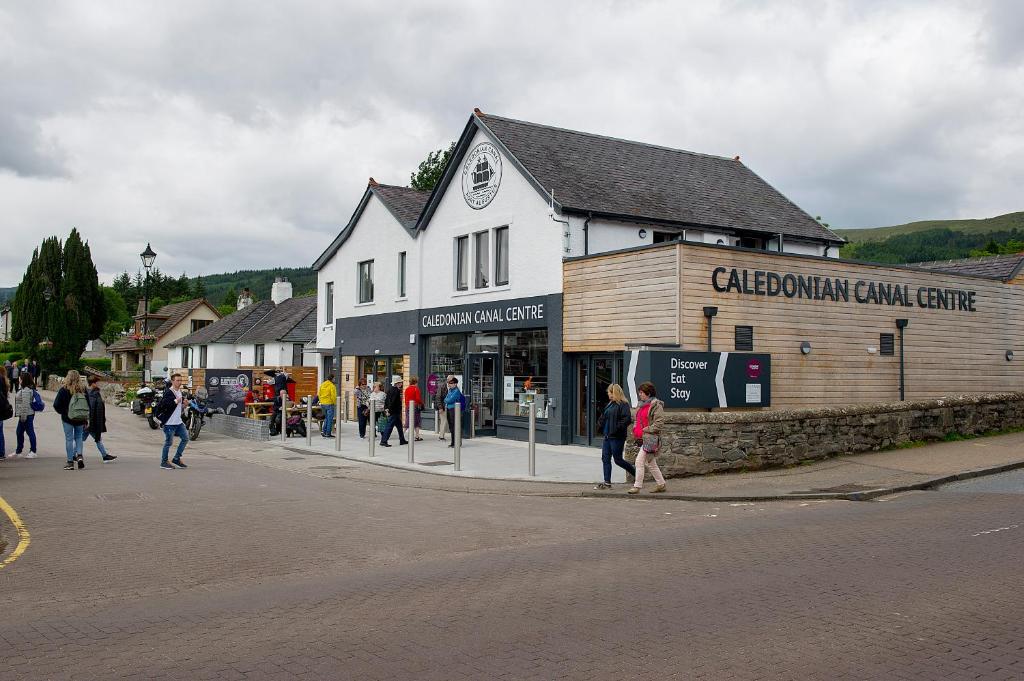
Lock Chambers Caledonian Canal Centre
Lock Chambers Caledonian Canal Centre provides comfortable accommodations in the heart of Fort Augustus, making it a convenient choice for travelers looking to explore the natural beauty and history of the Loch Ness region. With a variety of room features and nearby attractions, the hotel offers a pleasant and relaxing stay for its guests.
Show More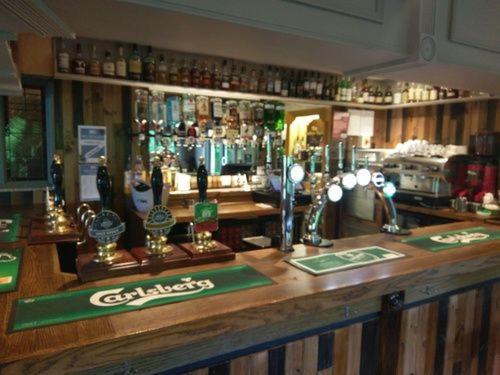
Benleva Hotel
The Benleva Hotel offers a comfortable and well-located retreat for guests looking to experience the natural beauty and attractions of the Scottish Highlands. It provides a range of amenities and a welcoming atmosphere for a pleasant stay in this scenic part of Scotland.
Show More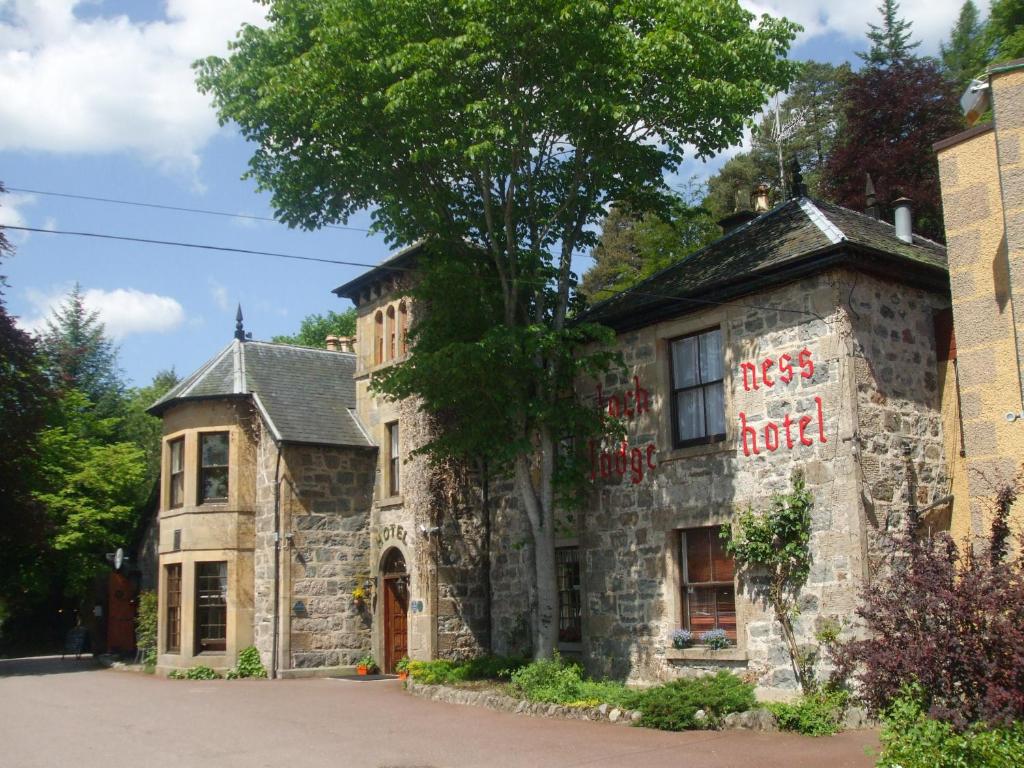
Loch Ness Lodge Hotel
Loch Ness Lodge Hotel, situated in the beautiful and tranquil village of Drumnadrochit, Inverness-Shire, United Kingdom offers guests a captivating blend of traditional Scottish charm, comfortable accommodation, fantastic location by the world-famous Loch Ness.
Show MoreBen Nevis is the highest mountain in the United Kingdom and is located in Scotland. Here is a description of Ben Nevis:
Location: Ben Nevis is situated in the Grampian Mountain range in the Lochaber area of the Scottish Highlands. It is near the town of Fort William, which serves as a popular base for hikers and climbers.
Height: Ben Nevis stands at an impressive 1,345 meters (4,413 feet) above sea level, making it the highest peak in the UK.
Geology: It is a part of the Grampian Mountain range and is mainly composed of igneous rocks, particularly granite. The rugged terrain of the mountain is a result of glacial erosion during the last ice age.
Climate: Ben Nevis experiences a harsh and changeable climate. Even during the summer months, it can be quite cold and wet, and the weather conditions can change rapidly. Snow can persist on the summit well into the summer.
Hiking and Climbing: Ben Nevis is a popular destination for hikers and climbers. The most common route to the summit is the Mountain Track, often referred to as the Pony Track. This path is well-maintained and suitable for most hikers, but conditions can be challenging. More experienced climbers can explore other routes, like the North Face, which is known for its difficulty and technical challenges.
Wildlife: The mountain and its surroundings are home to a variety of wildlife, including birds, red deer, and various plant species. Birdwatching and wildlife spotting are common activities for those visiting the area.
History: Ben Nevis has a rich history and is closely tied to Scotland's culture and heritage. It has been the site of several scientific observations and measurements over the years.
Ben Nevis Observatory: The Ben Nevis Meteorological Observatory was established in 1883 on the summit and operated until 1904. It was used for weather observations and scientific research.
Summit Views: On a clear day, the summit of Ben Nevis offers stunning panoramic views of the Scottish Highlands and surrounding landscapes, including Loch Linnhe and the islands in the distance.
Conservation: Efforts are made to preserve the natural beauty and ecology of Ben Nevis. Visitors are encouraged to practice Leave No Trace principles and respect the fragile environment.
Visiting Ben Nevis is a popular outdoor activity, but it should be done with proper planning, especially considering the unpredictable weather conditions. Hikers and climbers should be well-prepared and take necessary safety precautions when ascending this iconic Scottish mountain.
The West Highland Museum is a museum located in the town of Fort William in the Scottish Highlands. Here's a description of the West Highland Museum:
Location: The West Highland Museum is situated in the town of Fort William, which is known as the "Outdoor Capital of the UK." It's located in the Lochaber region of the Scottish Highlands.
History: The museum has a long history, having been founded in 1922. It is housed in a historic building that was once a former school, which adds to the charm of the institution.
Collections: The West Highland Museum focuses on the history and culture of the West Highlands of Scotland. Its collections encompass a wide range of artifacts and exhibits, including:
Jacobite Collection: The museum has an extensive collection related to the Jacobite uprisings in the 18th century, which includes weapons, clothing, and documents from this tumultuous period in Scottish history.
Highland Dress: Visitors can explore a collection of traditional Highland clothing, including kilts, sporrans, and tartans.
Archaeological Artifacts: The museum also houses archaeological finds from the region, which provide insights into the early history of the Highlands.
Local History: The museum's exhibits and displays cover various aspects of local history, including the life and work of the people of the West Highlands.
Art and Craft: The museum also features a selection of arts and crafts, showcasing the talent and creativity of the region.
The Commando Room: A notable part of the museum is the Commando Room, which is dedicated to the history of the British Commandos during World War II. Fort William was the training ground for these elite units, and the room offers insights into their training and operations.
Community Engagement: The West Highland Museum actively engages with the local community and hosts educational programs and events, making it a valuable resource for both residents and visitors interested in the history and culture of the region.
Visitor Experience: The museum provides an informative and engaging experience for visitors interested in the heritage of the West Highlands. It offers a glimpse into the past, allowing visitors to better understand the rich history and traditions of this rugged and picturesque region.
The West Highland Museum is a cultural and historical gem in Fort William, and it provides an opportunity for visitors to delve into the history, heritage, and traditions of the West Highlands, including the Jacobite history and the role the region played in the training of British Commandos during World War II.
The Nevis Range Mountain Experience is a popular tourist attraction and outdoor adventure destination located in the Scottish Highlands, near Fort William. Here's a description of the Nevis Range Mountain Experience:
Location: The Nevis Range is situated in the heart of the Lochaber region in the Scottish Highlands, approximately 7 miles (11 km) northeast of Fort William. It's located at the base of Aonach Mor, one of the region's mountains.
Aonach Mor: The centerpiece of the Nevis Range Mountain Experience is Aonach Mor, which is part of the Grampian Mountain range. The mountain is known for its stunning landscapes, including dramatic ridges, valleys, and gullies. It's particularly famous for winter sports activities.
Activities: The Nevis Range offers a wide range of activities and attractions, making it a year-round destination for outdoor enthusiasts. Some of the key activities and features include:
Gondola Ride: The Nevis Range boasts the UK's only mountain gondola, which takes visitors from the base station to the summit of Aonach Mor. The gondola ride offers breathtaking views of the surrounding landscape and is a popular experience in all seasons.
Mountain Biking: Aonach Mor features an extensive network of mountain biking trails, catering to riders of all levels. These trails range from family-friendly routes to challenging downhill courses.
Skiing and Snowboarding: In the winter, the Nevis Range is a hub for skiing and snowboarding. It offers a variety of slopes and runs suitable for both beginners and experienced skiers and snowboarders.
Hiking and Walking: The area provides numerous hiking and walking trails for visitors to explore the natural beauty of the Highlands. It's a fantastic location for those seeking scenic walks and hikes in the summer months.
Snowsports School: The Nevis Range offers skiing and snowboarding lessons for those new to the winter sports, making it accessible for beginners.
The Pinemarten Cafe: This café located at the top station of the gondola provides a place to relax and enjoy food while taking in stunning panoramic views.
Scenic Views: The Nevis Range Mountain Experience is renowned for its breathtaking panoramic views of the surrounding mountains, lochs, and forests, making it an excellent location for photographers and nature enthusiasts.
Events and Festivals: The Nevis Range hosts various events and festivals throughout the year, including mountain biking competitions and winter sports events.
Accessibility: The Nevis Range is accessible by car, and there is ample parking available. It's a popular starting point for exploring the wider area, including Ben Nevis, the UK's highest mountain.
The Nevis Range Mountain Experience is a versatile destination that offers outdoor adventures and natural beauty throughout the year. Whether you're interested in winter sports, mountain biking, hiking, or simply enjoying the scenic gondola ride, it's a must-visit attraction for anyone exploring the Scottish Highlands.
Neptune's Staircase is a famous and remarkable engineering marvel located in the Scottish Highlands, near the town of Fort William. It is a series of eight interconnected locks on the Caledonian Canal, which runs between Loch Linnhe and Loch Ness. Here's a description of Neptune's Staircase:
Location: Neptune's Staircase is situated on the outskirts of Fort William, a picturesque town in the Lochaber region of the Scottish Highlands. It is a key feature of the Caledonian Canal, which is part of a larger system of waterways that connects the east and west coasts of Scotland.
Historic Significance: Neptune's Staircase is the longest staircase lock in Britain and one of the most notable features along the Caledonian Canal. It was designed by the renowned Scottish civil engineer, Thomas Telford, and completed in 1822 as a part of the canal's construction.
Lock System: Neptune's Staircase comprises eight locks, making it an impressive flight of locks. These locks were constructed to overcome the 19.5-meter (64-foot) difference in elevation between Loch Linnhe, which is tidal, and the canal's higher level.
Boating and Navigation: The locks at Neptune's Staircase serve as a vital component for boats and vessels traveling along the Caledonian Canal. They allow vessels to navigate the change in elevation, making it possible for boats to sail from the west coast to the east coast of Scotland and vice versa.
Scenic Views: Neptune's Staircase is not only a feat of engineering but also offers visitors stunning views of the surrounding landscapes. The area is surrounded by picturesque Scottish Highland scenery, including the towering Ben Nevis, the UK's highest mountain.
Visitor Experience: The site has a visitor center, picnic areas, and walking paths, making it a popular stop for tourists and a pleasant location to enjoy the views, watch boats navigate the locks, and learn about the history and function of Neptune's Staircase.
Lock Operation: Each of the eight locks is manually operated by lock keepers, who assist boats in safely navigating the staircase. This traditional method of operation adds to the charm of the place and offers a glimpse into the historical operation of canal systems.
Canal Cruises: Many visitors opt to take canal cruises that pass through Neptune's Staircase and offer an informative commentary about the history of the canal and the area.
Neptune's Staircase is not only an important piece of infrastructure but also a scenic and historically significant site in the Scottish Highlands. It is a popular tourist attraction, and its operation and design reflect the rich engineering and industrial history of Scotland's canal network.
Steall Waterfall, also known as An Steall, is a spectacular natural wonder located in Glen Nevis, near Fort William in the Scottish Highlands. It is one of the most iconic and striking waterfalls in Scotland. Here is a description of Steall Waterfall:
Location: Steall Waterfall is nestled within the stunning Glen Nevis, which is renowned for its natural beauty and is often referred to as the "Outdoor Capital of the UK." Glen Nevis is located near the town of Fort William and is surrounded by the majestic peaks of the Scottish Highlands.
Height: Steall Waterfall is the second-highest waterfall in Scotland, with a drop of approximately 120 meters (393 feet). The sight of the cascading water from such a height is truly awe-inspiring.
River Nevis: The waterfall is fed by the waters of the River Nevis, which flows through the glen. The river's source is high up in the mountains, and it gains momentum as it descends into the glen, culminating in the dramatic plunge of Steall Waterfall.
Hiking and Accessibility: To reach Steall Waterfall, visitors can take a scenic and relatively easy hike through Glen Nevis. The trail is well-maintained, offering stunning views of the surrounding mountains and lush landscapes. The walk leads to a cable bridge that takes you across the River Nevis and provides an up-close view of the waterfall.
The Wire Bridge: One of the highlights of the journey to the waterfall is the Wire Bridge, a thrilling suspension bridge that spans the River Nevis. Crossing this bridge is an adventure in itself and adds to the excitement of the visit.
An Steall Hut: Along the path, you'll also find the An Steall Hut, a bothy that serves as a shelter for hikers and provides basic amenities for those exploring the area. It's an excellent spot to rest and enjoy the scenery.
Natural Surroundings: Steall Waterfall is set against the backdrop of steep, rocky cliffs and lush, verdant forests. The glen and the waterfall offer a sense of pristine wilderness, making it a perfect location for those seeking to connect with nature.
Filming Location: The waterfall has gained international recognition as it was featured in the Harry Potter film series, specifically in "Harry Potter and the Goblet of Fire" when Harry and his friends approach the Triwizard Tournament.
Photography: Steall Waterfall is a popular spot for photographers due to its striking beauty and the ever-changing lighting conditions that create different moods and perspectives throughout the day.
Natural Experience: Visiting Steall Waterfall offers a serene and enchanting experience, with the sound of rushing water and the sight of the waterfall serving as a reminder of the untamed beauty of the Scottish Highlands.
Steall Waterfall is a natural treasure in the Highlands, offering a stunning blend of rugged scenery, lush landscapes, and the dramatic cascade of water. It is a must-visit destination for nature enthusiasts and hikers exploring the Glen Nevis area.
Ben Nevis Distillery:
Location: The Ben Nevis Distillery is situated at the foot of Ben Nevis, the highest mountain in the United Kingdom. It is located in the town of Fort William, in the Lochaber region of the Scottish Highlands.
History: The distillery has a long history and was founded in 1825 by "Long John" MacDonald, and it is one of the oldest licensed distilleries in Scotland. It has gone through several changes in ownership and refurbishments over the years.
Production: The Ben Nevis Distillery produces single malt Scotch whisky, which is known for its rich and complex flavors. The distillery's water source is from the Allt a' Mhuilinn, a stream that flows from Ben Nevis.
Tours and Visitor Center: The distillery offers guided tours to visitors, providing insights into the whisky-making process, the history of the distillery, and the opportunity to sample their whiskies. The visitor center also includes a shop where you can purchase a range of Ben Nevis whiskies and related merchandise.
Scenic Location: The distillery's setting at the base of Ben Nevis and its proximity to the scenic landscapes of the Scottish Highlands make it a picturesque place to visit for whisky enthusiasts and tourists alike.
Whisky Range: Ben Nevis Distillery produces a variety of single malt whiskies, each with its own unique characteristics and flavor profiles. Some popular expressions include Ben Nevis 10-Year-Old and Ben Nevis 21-Year-Old, among others.
The "Road to the Isles" is a picturesque and famous route in Scotland, known for its stunning natural beauty and connections to the Scottish Highlands. Here's a description of the Road to the Isles:
Location: The Road to the Isles is a scenic route located in the western part of Scotland. It runs from the town of Fort William to the coastal village of Mallaig, which sits on the west coast of the Scottish Highlands.
Distance and Route: The road spans approximately 46 miles (74 kilometers) and is part of the A830 road. It meanders through some of the most breathtaking and rugged landscapes in Scotland.
Natural Beauty: The Road to the Isles is renowned for its incredible natural beauty. Along the journey, you'll encounter a diverse range of landscapes, including lush woodlands, rolling hills, vast moors, and dramatic coastal views. The route also offers glimpses of iconic Scottish lochs, including Loch Eil and Loch Morar.
Ben Nevis: The journey begins in Fort William, often called the "Outdoor Capital of the UK" and home to Ben Nevis, the UK's highest mountain. As you depart from Fort William, you'll be treated to spectacular views of this imposing peak.
Glenfinnan Viaduct: The Road to the Isles is also famous for the Glenfinnan Viaduct, an iconic railway viaduct featured in the Harry Potter films. This arched structure spans a picturesque glen and offers a stunning backdrop to the journey.
History and Culture: Along the route, you can discover the rich history and culture of the Highlands, with opportunities to visit historic sites, such as the Glenfinnan Monument, and experience the Gaelic heritage of the region.
Mallaig: The journey culminates in the charming coastal village of Mallaig. This fishing port is not only a picturesque destination but also serves as a transportation hub for ferries traveling to the Small Isles and Skye.
Railway Connection: The route is served by the West Highland Line, a scenic railway journey that complements the Road to the Isles. The train ride offers breathtaking views and is often considered one of the most scenic rail journeys in the world.
Outdoor Activities: The area surrounding the Road to the Isles provides a range of outdoor activities, including hiking, bird-watching, wildlife spotting, and photography, making it a popular destination for outdoor enthusiasts.
Sunsets and Sunrises: The Road to the Isles is famous for its breathtaking sunsets and sunrises, with the changing colors of the sky complementing the stunning landscapes, making it a favorite spot for photographers.
The Road to the Isles is not just a transportation route; it's a journey through some of Scotland's most magnificent natural landscapes and a gateway to the rich history and culture of the Highlands. Whether you explore it by car or train, it's an unforgettable experience for travelers seeking the beauty and charm of the Scottish Highlands.
Creag Meagaidh National Nature Reserve is a protected natural area located in the Scottish Highlands. It is known for its stunning and diverse landscapes, including rugged mountains, ancient forests, and rare wildlife. Here's a description of Creag Meagaidh National Nature Reserve:
Location: Creag Meagaidh National Nature Reserve is situated in the heart of the Scottish Highlands, approximately 30 miles (48 kilometers) northeast of Fort William. It covers a substantial area within the Monadhliath Mountains.
Landscapes: The reserve features a diverse range of landscapes. It includes dramatic peaks and cliffs, such as Creag Meagaidh and Stob Poite Coire Ardair, which are popular destinations for hikers and climbers. The reserve also includes an extensive plateau with rare montane habitats.
Ancient Caledonian Forest: Creag Meagaidh is home to remnants of the ancient Caledonian Forest, a type of native Scottish woodland that has been present in the Highlands for thousands of years. The ancient forest habitat is a rare and vital feature of the reserve.
Flora and Fauna: The reserve is known for its rich biodiversity. It is home to various plant species, including the rare woolly willow. The montane habitats support a unique range of alpine and arctic flora. The area is also a haven for birdwatchers, with species like ptarmigan, golden eagles, and peregrine falcons.
Walking and Hiking: Creag Meagaidh offers numerous walking and hiking trails suitable for all levels of outdoor enthusiasts. Popular routes include the Coire Ardair Circuit and the walk to the summit of Creag Meagaidh, which provide breathtaking views of the surrounding landscapes.
Geology: The reserve is of geological interest, with its glacial features and rock formations offering insights into the region's geological history.
Winter Activities: During the winter months, Creag Meagaidh becomes a popular destination for winter sports and ice climbing. The reserve's steep cliffs and gullies are sought after by experienced climbers.
Visitor Center: The visitor center at Creag Meagaidh provides information, maps, and guidance for visitors, making it a great starting point for exploring the reserve.
Conservation and Preservation: The reserve is dedicated to the conservation and preservation of the natural environment. Efforts are made to protect and restore the ancient Caledonian Forest, manage access, and conserve the habitats for the benefit of both wildlife and visitors.
Accessibility: Creag Meagaidh National Nature Reserve is easily accessible by road, with car parks available for visitors. It is a great destination for nature lovers, hikers, and anyone interested in exploring the unspoiled beauty of the Scottish Highlands.
Creag Meagaidh National Nature Reserve is a remarkable and ecologically significant area that showcases the pristine landscapes and unique habitats of the Scottish Highlands. It offers a wonderful opportunity to connect with nature and experience the diverse range of natural wonders found in this part of Scotland.
Old Inverlochy Castle, located in the town of Fort William in the Scottish Highlands, is a historic and picturesque ruin that holds significant historical importance. Here is a description of Old Inverlochy Castle:
Location: Old Inverlochy Castle is situated on the banks of the River Lochy, just north of the modern town of Fort William. It is strategically positioned at the confluence of the River Lochy and the River Spean.
Historical Significance: The castle is one of the most important historical sites in Scotland. It is associated with several key events in Scottish history, particularly during the Wars of Independence between Scotland and England.
Origins: The original Inverlochy Castle is thought to have been built in the 13th century. It served as a royal castle, initially constructed by King Alexander III of Scotland.
Wars of Independence: Inverlochy Castle played a significant role in the Wars of Independence. The castle was the site of two major battles. In 1431, the Battle of Inverlochy took place, with the forces of Donald Balloch and Alexander, Earl of Mar, fighting against each other. The castle was later captured by Royalist forces during the Civil War.
Architecture: The castle is now in ruins, but it once featured typical medieval architecture, with a courtyard, a curtain wall, and a gatehouse. The site also has remnants of a round tower and other features, including a chapel.
Scenic Setting: The castle is set against the backdrop of the stunning Scottish Highlands. Its location, with Ben Nevis, the UK's highest mountain, visible in the distance, offers a picturesque and dramatic setting for visitors.
Visitor Experience: Today, Old Inverlochy Castle is open to the public, and visitors can explore the ruins. Interpretive panels provide information about the castle's history and its significance in Scottish history.
Accessibility: The castle is easily accessible from Fort William and is a popular stop for tourists exploring the Highlands. There is parking nearby, and the castle is just a short walk from the road.
Conservation: The site is managed by Historic Environment Scotland, and efforts are made to preserve and protect the historic remains of the castle.
Old Inverlochy Castle is a significant historical site that allows visitors to step back in time and appreciate its historical and architectural importance. The ruins, set in a stunning natural landscape, make it a must-visit destination for history enthusiasts and those exploring the rich heritage of the Scottish Highlands.